The new hand care ritual
_edited.png)

Plastic already exists. We use it better.
Our Ocean Waves Hand Wash bottle is made from 100% recycled Ocean Bound Plastic certified by Prevented Ocean Plastic™
We all know there's a problem.
Most brands stop at talking about it.
We start with what already exists.
How It Works
Collect
Plastic is recovered near coastlines and waterways before it can enter the ocean.
Recycle
The material is processed into high-quality recycled resin.
Reimagine
It becomes our Ocean Waves Hand Wash bottle.
What Ocean Bound Plastic means
Ocean Bound Plastic is plastic recovered near coastlines and waterways where it is at risk of entering the ocean.
It is collected from areas where waste systems are limited, making plastic more likely to end up in the environment.
Once recovered, the material is cleaned, processed, and transformed into high-quality recycled packaging.
At risk of entering the ocean
Recovered near coastlines and waterways
Recovered before it becomes pollution
Collected before it can enter marine ecosystems
Given a new purpose
Transformed into high-quality recycled packaging

We are a packaging partner of Prevented Ocean Plastic™

Prevented Ocean Plastic™ helps recover plastic at risk of entering the ocean and transform it into high-quality recycled material.
The program supports collection communities in regions where waste infrastructure is limited, creating value from material that might otherwise enter the environment.
By increasing demand for recycled plastic, Prevented Ocean Plastic™ helps support collection efforts, reduce reliance on virgin plastic, and give recovered material a second life.
More Than One Solution
Ocean Bound Plastic is one part of our packaging journey.
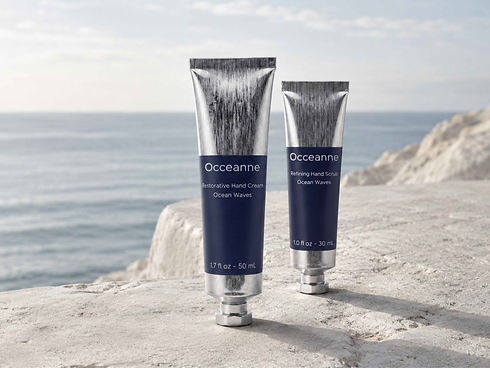
For our hand creams and hand scrubs, we chose recyclable aluminum tubes and caps designed to be recycled and reimagined again and again.
Different materials. The same philosophy.
Thoughtfully selected packaging designed to reduce reliance on virgin plastic while delivering a premium experience.